Idioma:
Lista de favoritos ( Productos):
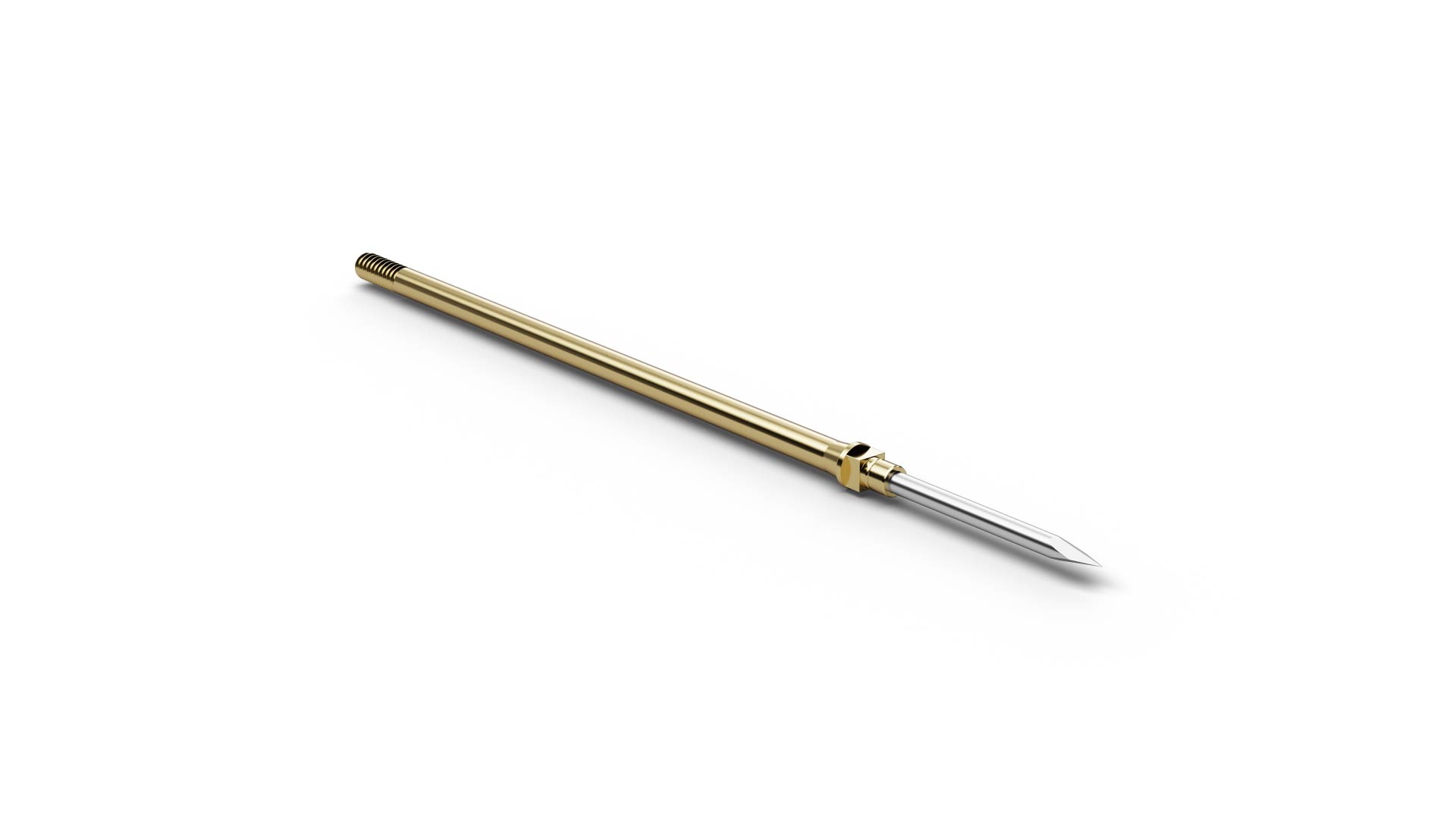
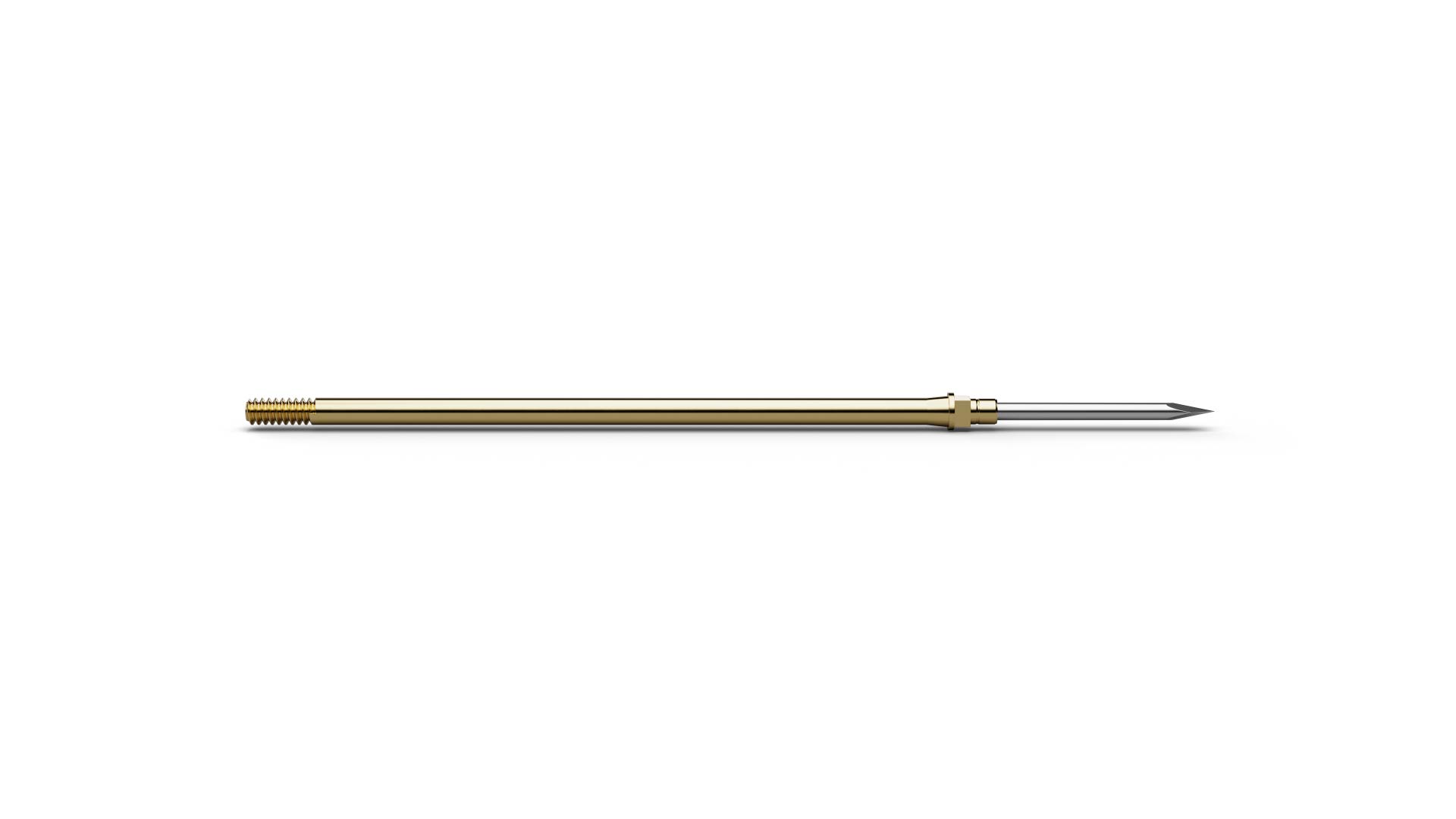
F17533S064P250HP Perspective 1 F17533S064P250HP Perspective 2

Pines de Prueba básicos, roscados (F175, F176) F17533S064P250HP

Número de artículo 1098611

Ficha técnica

Cantidad

Datos técnicos

General
Estructura Basic Contact Probe
Tipo/Familia F175
Paso (mm/mil) 1,90 / 75
Temperatura -45°C...+100°C
Definición adicional HP
Dimensiones
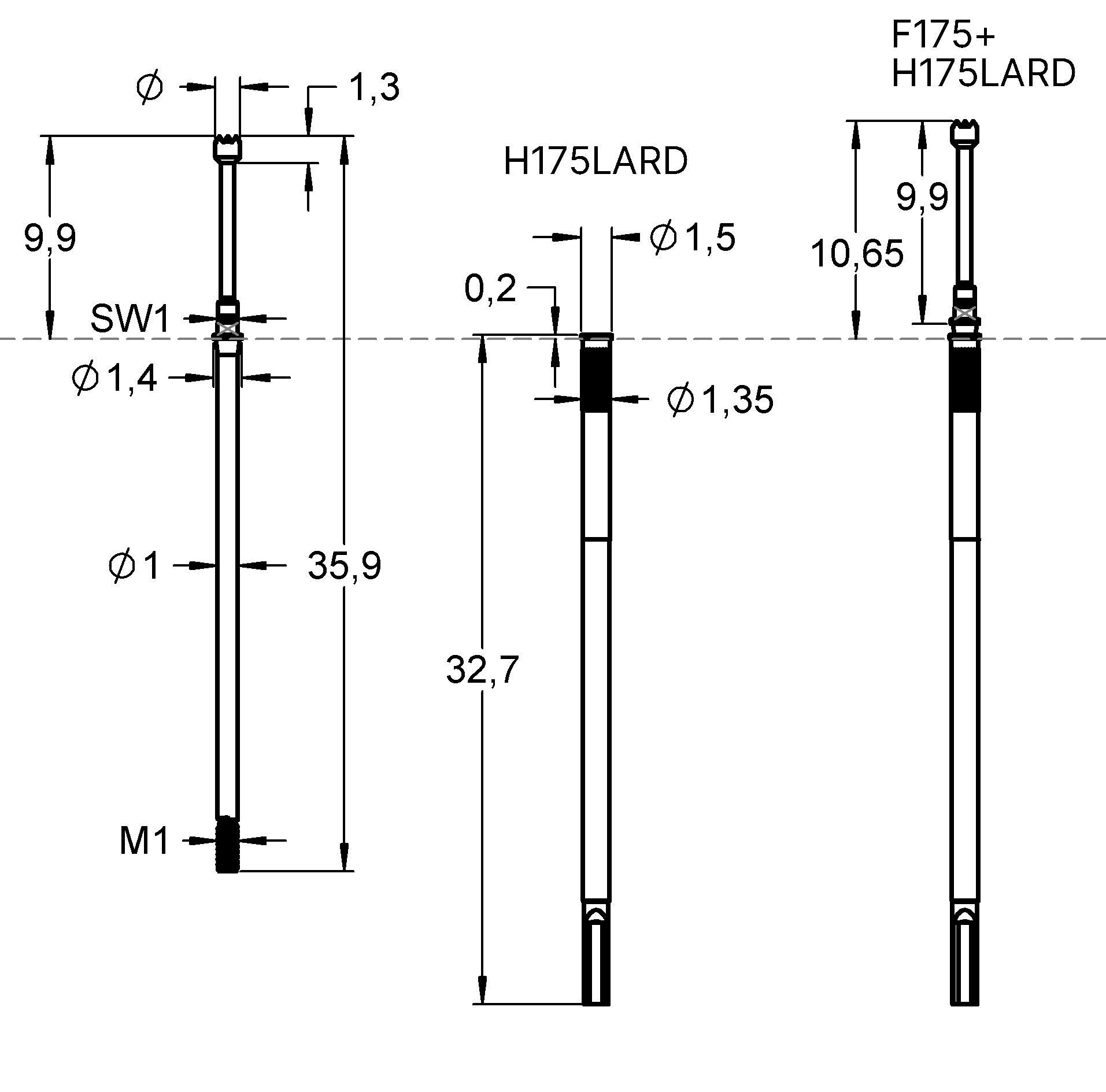
Longitud total (mm) 35.9
Altura sobresaliente (mm) 9.9
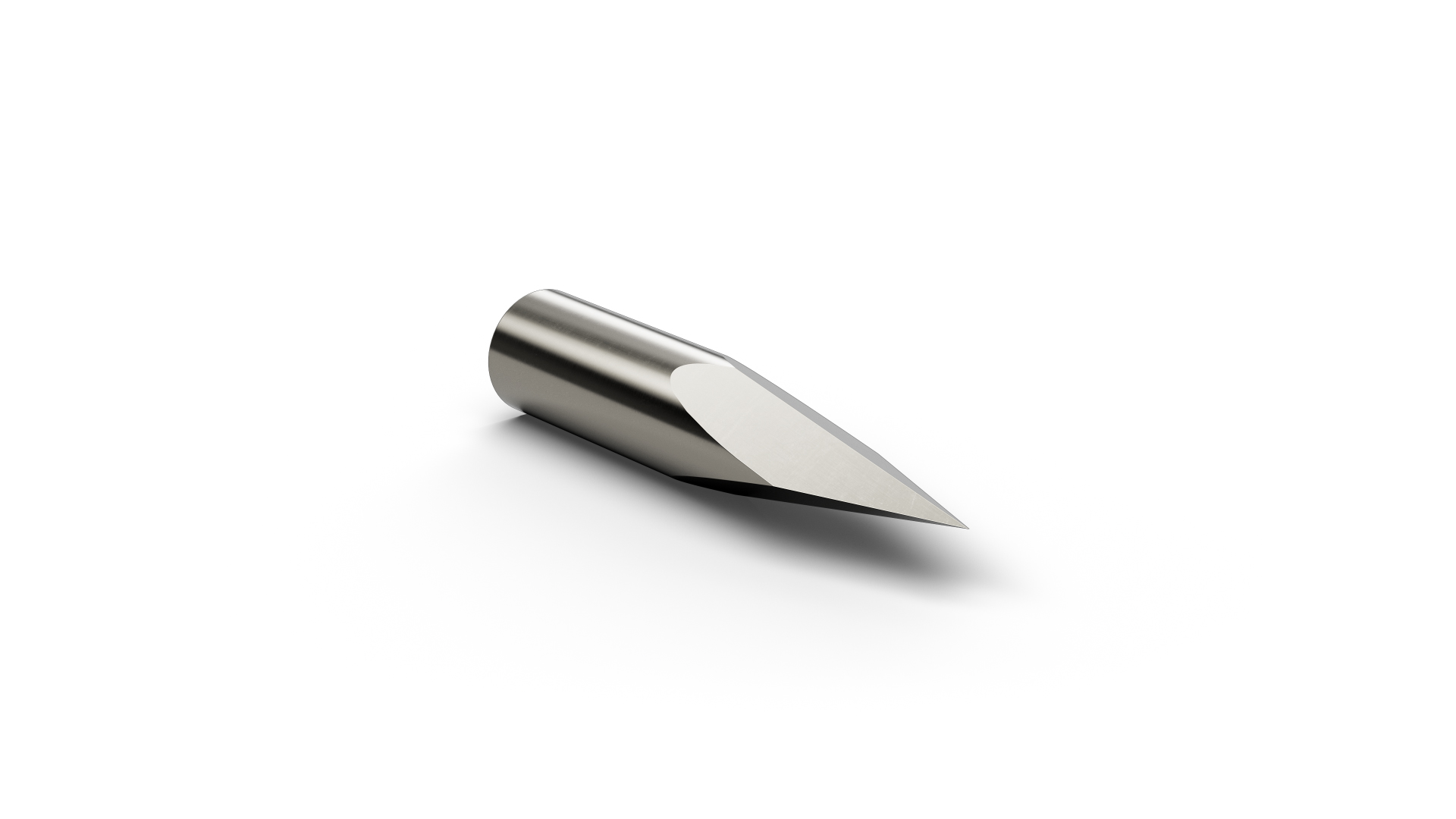
Diámetro del estilo de punta (mm) 0.64
Diámetro del casquillo (mm) 1
Diámetro del collar (mm) 1.4
Materiales y superficies
Estilo de punta 33
Material del émbolo Steel
Recubrimiento del émbolo Progressive
Material del casquillo Brass
Recubrimiento del casquillo Gold
Material del resorte Spring steel
Recubrimiento del resorte Silver
Especificaciones mecánicas
Precarga (cN) 130
Fuerza del resorte (cN) 250
Recorrido nominal (mm) 4.3
Recorrido máximo (mm) 6.4
Precisión de punteo +/- (mm) 0.08
Rosca M1
Tamaño de herramienta (mm) 1
Especificaciones eléctricas
Corriente continua (A) 4
Resistencia de contacto típica (mΩ) 20

Gráficos

F17533S064P250HP Denominación de la familia F17533S064P250HP Estilo de punta 1

Beschreibung des Produkts

As a Basic Threaded Probe, F17533S064P250HP (item number 1098611) combines defined spring force with robust threaded mounting. The threaded mounting of F17533S064P250HP supports secure seating in wire-harness and connector tests, including setups exposed to vibration or lateral forces. The design of F17533S064P250HP is well suited to wire-harness and connector testing and to fixtures exposed to vibration or lateral forces where probe migration must be prevented. F17533S064P250HP is installed using a M1 thread. F17533S064P250HP combines a pitch of 1.9 mm / 75 mil with tip style 33 (Square lance 38°) and a tip diameter of 0.64 mm. For F17533S064P250HP, spring force is 250 cN at a nominal travel of 4.3 mm. The P/HP configuration of F17533S064P250HP pairs contamination-resistant Progressive Coating with increased spring preload so that difficult surfaces such as OSP, oxidized pads or flux-contaminated test points can be contacted more effectively.